
When Mornings Are Heavy
A Girl Who Dreams Of Classrooms In A World That Gave Her Ruins

In a world that often views the stories from Gaza through the narrow lens of a news cycle, the individual human account can easily become lost beneath the weight of statistics. But beyond the headlines, there are individuals whose spirits remain undefeated even as the horizons around them have been physically dismantled.
Imagine a girl of sixteen, much like any other her age - someone who treasures quiet moments with a notebook, who finds comfort in the soft fur of a little cat, who dreams of classrooms filled with light and laughter rather than the echo of survival.
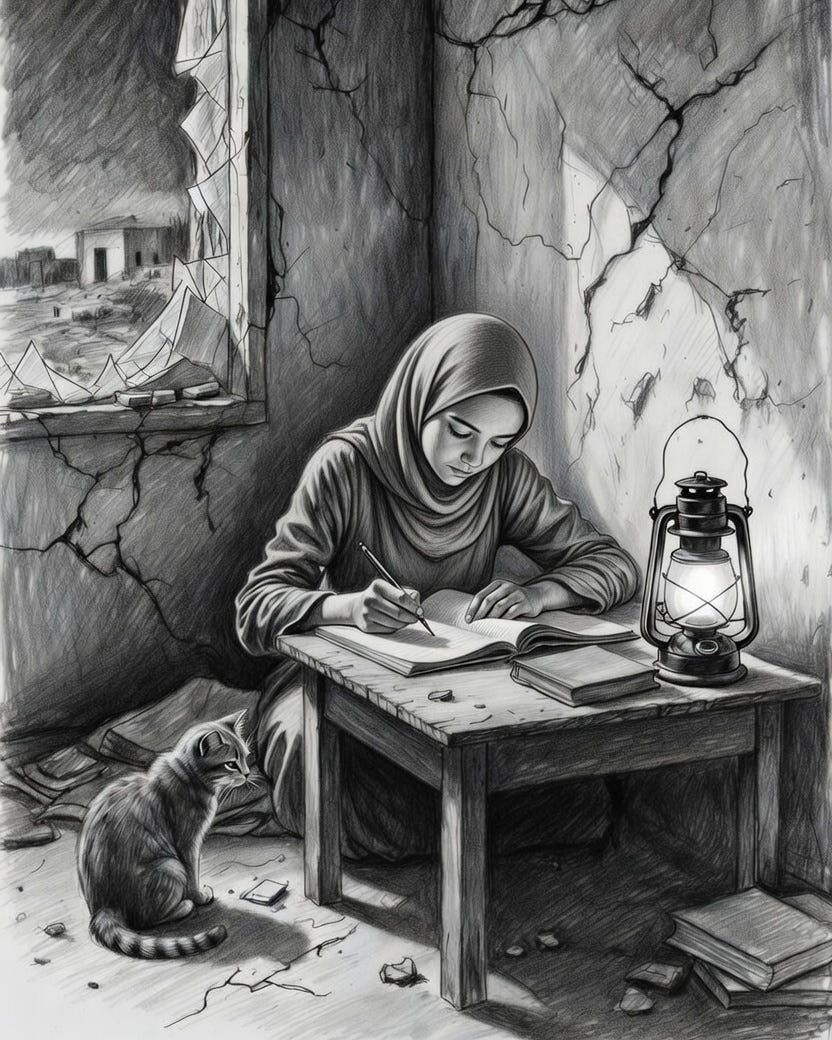
Nagham is that girl. She loves to learn, she wants to help others one day, maybe as a teacher who brings comfort and knowledge to little ones just like her siblings. Her eyes still light up when she talks about studying. She clings to her books and lessons like a lifeline, believing that education is the one thing that can carry her beyond this pain.
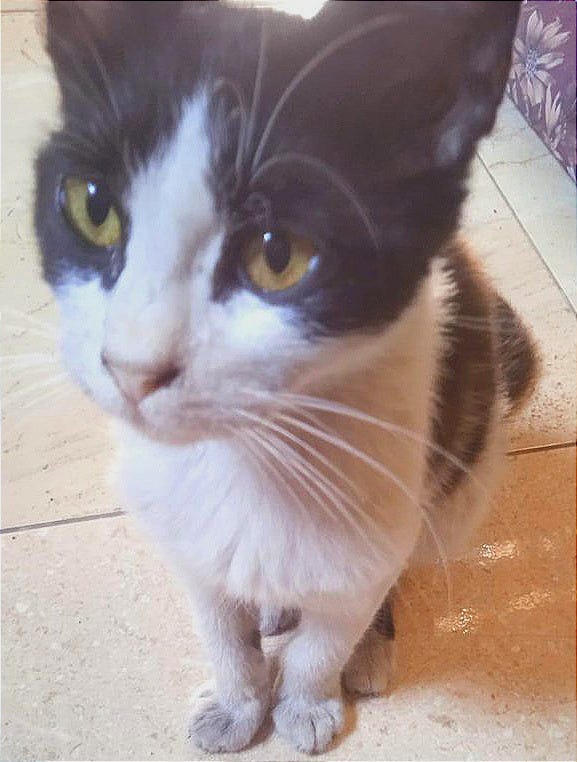
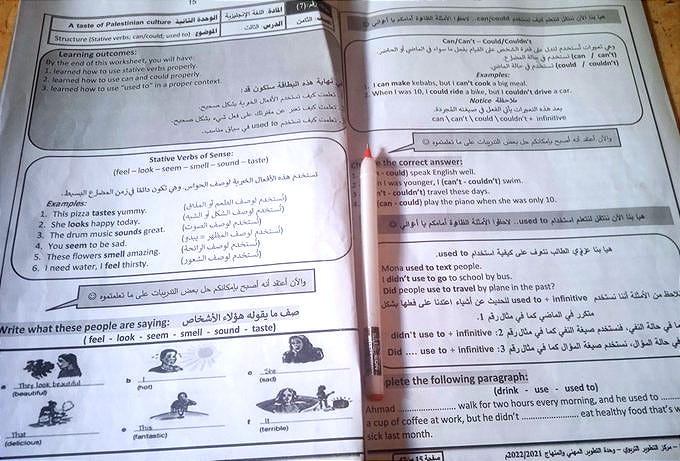
Being a student in Gaza today means trying to read by the dim light of a flickering candle, if one can be found. It means battling lack of internet and electricity, which are essential for any modern education. More than that, it is the mental toll of trying to focus on a textbook while the stomach is empty and the air is filled with the scent of woodsmoke and damp. Nagham’s family, like so many others, faces a daily struggle for the most basic of necessities. Her parents, who have their own health needs, must be cared for in an environment where medical supplies are scarce and incredibly expensive. The family has lost their home, their sense of security, and the simple comforts that define a life of dignity.
Life in northern Gaza and Gaza City, where Nagham and her family of seven try to hold on, has been a slow, aching winter of the soul. The so-called ceasefire that began in October 2025 brought a fragile pause, a moment when the world dared to hope. Yet the sky still roars too often. Airstrikes have continued, claiming lives, including children.
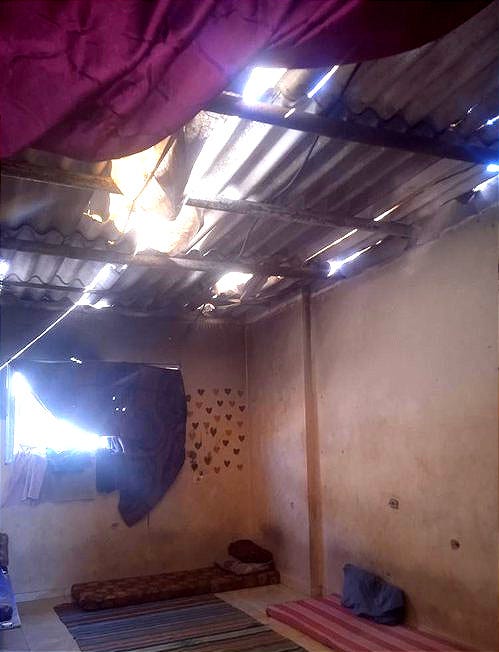
Then the actual winter came, cruel and unrelenting. Severe storms swept through with heavy rain, fierce winds, and flooding that turned displacement camps into rivers of mud and misery. Tents were torn apart, belongings soaked, entire sites drowned. Children shivered through sleepless nights, some never woke up from the cold. Reports tell of newborns and infants lost to hypothermia, of families huddled in wet blankets pulled from the rubble. Nagham has spoken of hearts frozen, bodies exhausted, little siblings crying through the dark hours. She has spoken of damaged roofs letting rain in, of not enough blankets or bedding to keep the chill away - “the roof is damaged and needs repair and tarps before the rain comes,” she wrote, her words carrying the weight of a girl trying to protect her loved ones from nature’s cruelty on top of everything else.
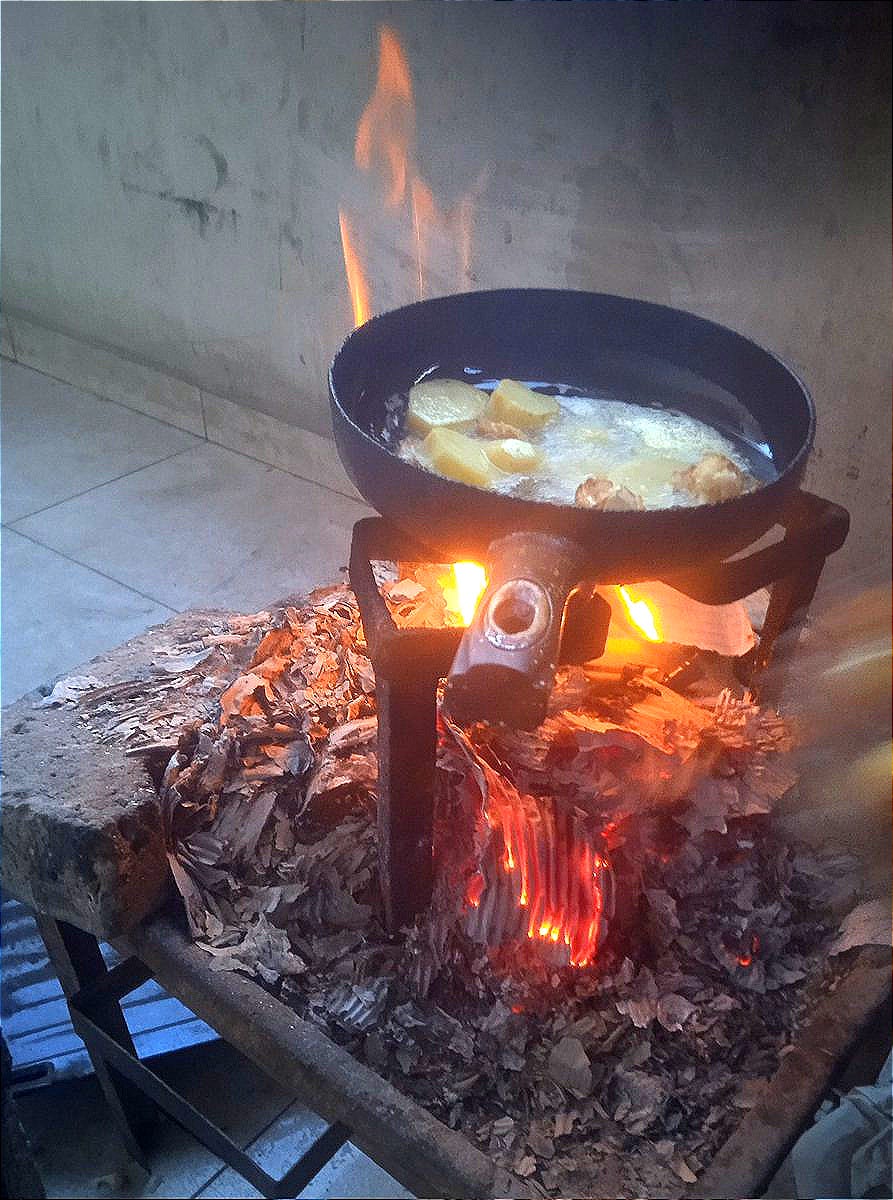
Mornings, she says, are the hardest. “I don’t know what mornings look like outside Gaza. But be certain that mornings in Gaza are sad and exhausting… Instead of waking up and going to school, I wake up to light a fire or fetch water.” No gentle alarm, no walk with friends - just survival’s quiet tasks in the half-light.
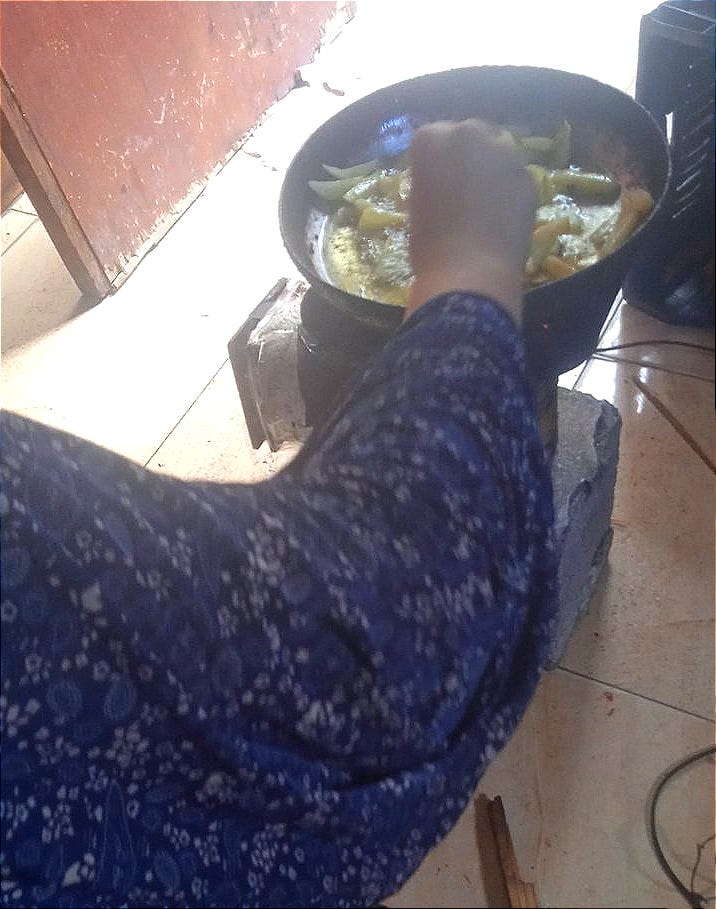
Her shattered home stands as a silent witness: walls cracked open to the sky, rubble where rooms once held laughter and safety.
Yet in the midst of ruins, Nagham studies. “Why has sitting in a classroom become a dream? Has getting a notebook and a pen become impossible? Why can’t we live like other students around the world...” she asks.
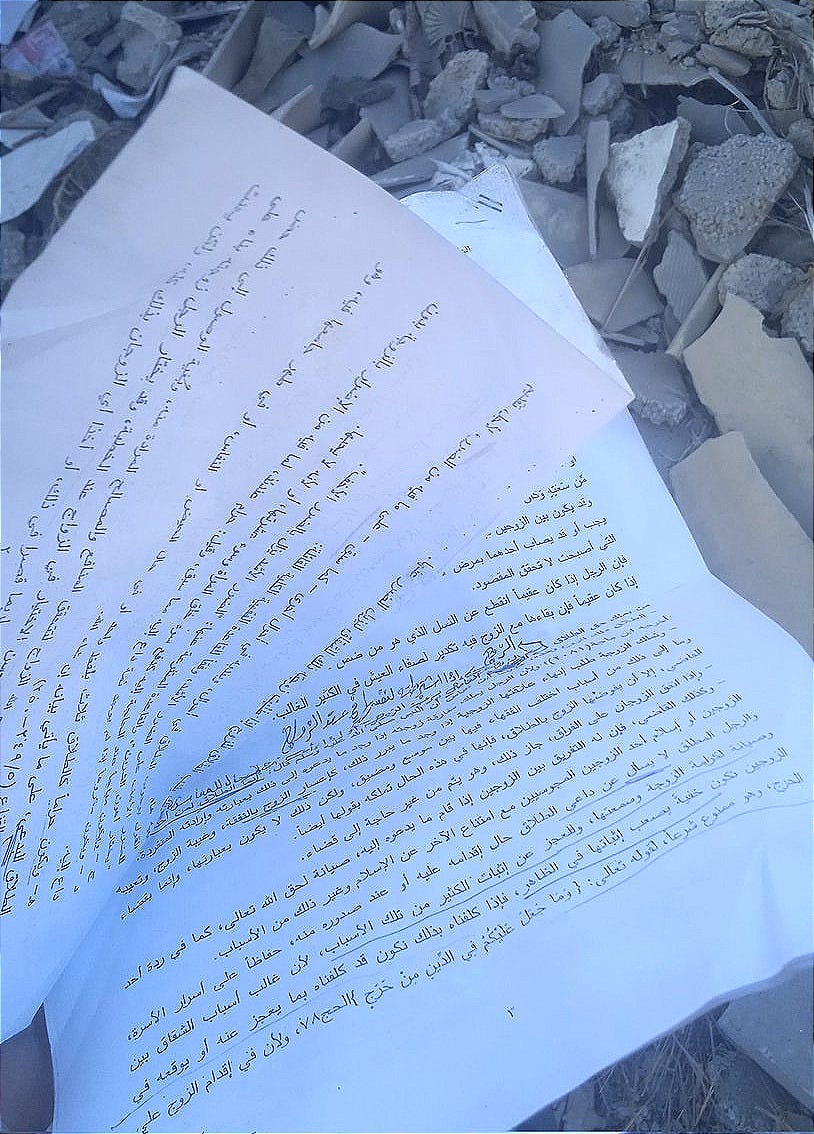
Hunger lingers like a shadow. Cooking becomes a small ritual of care, even when pots hold little.
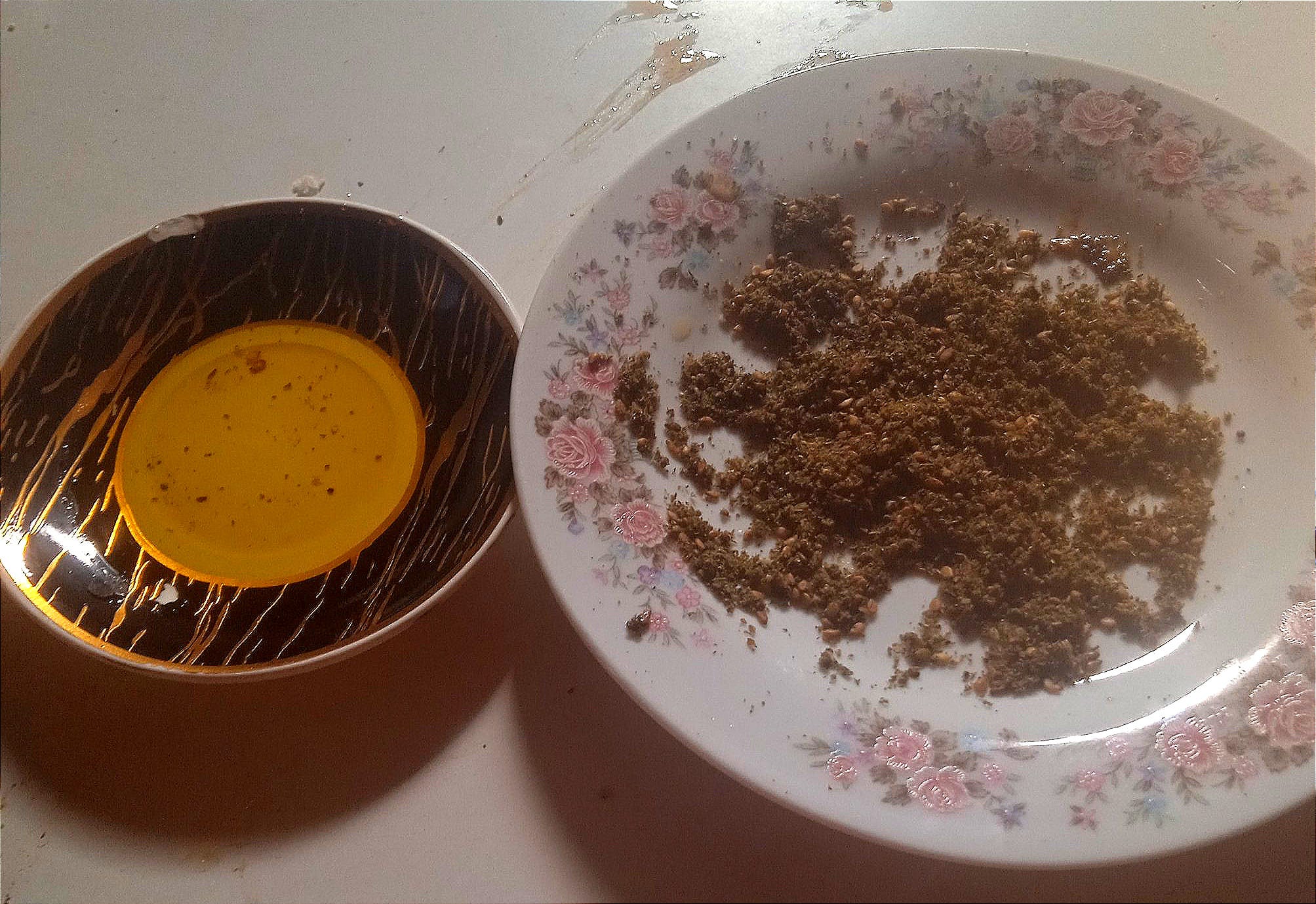
“The smell of meat and chicken spreads all around us, while our food has only been thyme and olive oil..”
One of the heart-wrenching aspects of Nagham’s story is the sheer weight of responsibility she carries. At an age when she should be exploring her own potential, she is instead a pillar for her family, navigating a landscape of skyrocketing prices and constant uncertainty. Significant events, such as the destruction of local infrastructure and the ongoing blockade on essential aid, have turned everyday tasks like finding clean water or a loaf of bread into a marathon of endurance.
What hurts most deeply is the silence that followed the ceasefire announcement. When the world heard “ceasefire”, it was as if a switch flipped. Social media feeds moved on, protests quieted, donations slowed to a trickle. People turned to the next headline, the next trend, forgetting that the suffering had not ended - it had simply become less visible. The genocide’s scars remained: bodies still buried under rubble, famine’s shadow lingering, children still dying from cold and preventable illness. But without the constant echo of outrage, the cries from Gaza grew quieter to distant ears. Nagham feels this abandonment in the empty days without help, the frozen nights, the growing despair.
“The feeling of helplessness is crushing,” she confesses.
This silence is appalling. A ceasefire should have meant relief, rebuilding, life. Instead, it became a veil, allowing the world to look away while death continued in slower, crueller forms: starvation, exposure, untreated sickness, bombs. Nagham is not a statistic. She is a girl who still believes in tomorrow, who still dreams despite everything. Her family depends on small acts of kindness to survive another day.
Grassroots platforms like lifeline4gaza.com - a collaborative, open-source site tracking hundreds of verified campaigns from people in Gaza - help shine a light on families like hers, directing support where it is desperately needed.
Supporting Nagham is about more than just providing a meal or a tent; it is about validating her right to have a future. It is an acknowledgment that her dreams of finishing her education and rebuilding her life are as important as those of any other young woman in the world. By standing with her, we are telling Nagham that her voice is heard and that her life - filled with potential and the courage of a student in a storm - matters deeply. You can support her directly HERE and follow her journey HERE as she continues to navigate this unimaginable path.
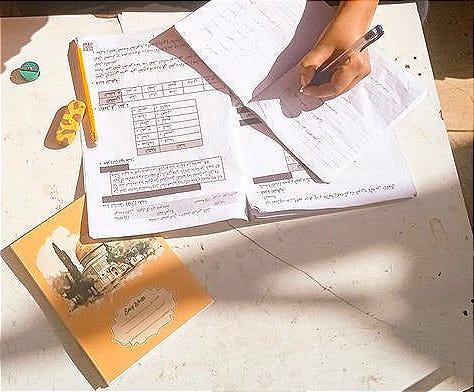
If you remember that behind every faded headline is a real person fighting to keep their dreams alive - please consider helping. Share Nagham’s voice. Donate if you can. In a world that has tried to forget, your attention, your compassion, can remind her she is not alone. With a little light from the outside, perhaps her future can finally begin.